Pediatric Eye Doctor in New Albany, Ohio.
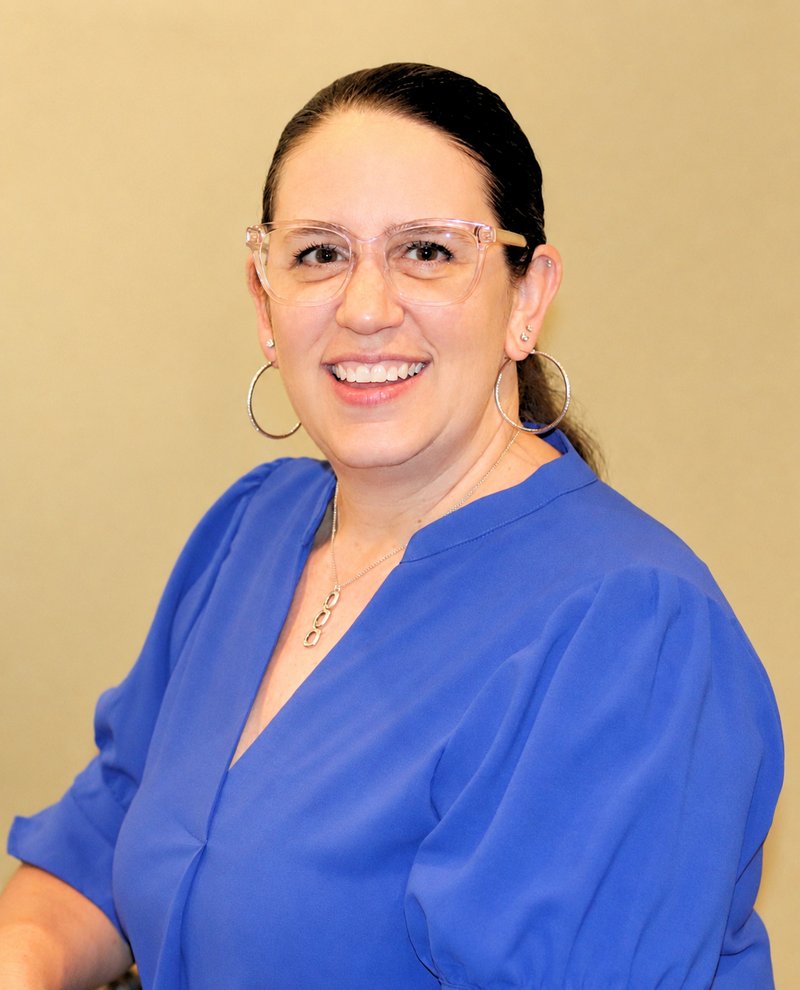
Kids' eyecare from 6 months through high school. Dr. Amy Keller has 25+ years in eyecare with a pediatric focus, is an InfantSEE provider, and has reached more than 13,000 Ohio students through the Realeyes Classroom Education Program. If your child needs their first eye exam, has had one and the prescription is changing, or you've been told to "watch and wait," we can help you decide what to do next.
Most pediatricians and schools do a vision screening, not a full eye exam. Screenings can flag obvious problems but they miss focusing issues, eye teaming problems, and the early stages of nearsightedness that make schoolwork harder than it should be. A full pediatric exam at COVE looks at how your child's eyes work together, how clearly they see at every distance, and whether their prescription is stable or trending in a direction that needs treatment.
- I.Why kids need a real eye exam, not a screening01
- II.First exam by age, all the way through high school02
- III.Signs your child may have a vision problem03
- IV.What a pediatric exam at COVE actually looks like04
- V.Myopia management for kids whose prescription is changing05
- VI.Kids' glasses they'll actually wear06
- VII.Insurance, InfantSEE, and COVE Plus07
- VIII.Why families in New Albany choose COVE08
- IX.Common questions09

Why kids need a real eye exam, not a screening.
A school vision screening checks one thing: can your child see the big E on a wall chart from 20 feet away. That's distance acuity. It says nothing about whether one eye is doing all the work, whether the eyes are focusing together, whether near vision is clear, or whether a small uncorrected prescription is making reading exhausting.
A pediatric eye exam checks all of that. We measure refractive error at distance and near, eye alignment, eye teaming, focusing flexibility, depth perception, color vision, and the health of the back of the eye. For young children who can't yet describe what they see, much of this work is done objectively, with the child's input as a confirmation rather than the primary measurement.
Roughly 80% of what a child learns in the first decade is processed visually. When something in that system is off, it often shows up as fidgeting, avoidance of reading, headaches, or behavior that gets mistaken for attention problems.
First exam by age, all the way through high school.
The American Optometric Association recommends:
First eye exam.
COVE participates in InfantSEE, the national program that provides a comprehensive infant eye assessment at no cost. We look for amblyopia risk factors, alignment problems, and significant refractive errors at an age when treatment is most effective.
Preschool exam.
This is when we can start measuring vision more directly using picture and shape charts. Amblyopia and strabismus are most treatable before age 7.
Pre-K exam.
A small uncorrected prescription that didn't matter as a toddler can interrupt early reading. Better to know before the school year starts.
Yearly checkup.
Eyes change as kids grow. Catching a shift early is the difference between updating a prescription and managing a progression.
If your child has never had a real eye exam, the right time to start is now. There's no age at which an exam is too early.
Signs your child may have a vision problem.
Children rarely complain about their vision, because they don't know what normal looks like. Common signs parents notice instead:
Some of these get attributed to attention issues or learning differences. Sometimes that's the right answer. Sometimes it's vision. A real eye exam is the cleanest way to rule it in or rule it out.
What a pediatric exam at COVE actually looks like.
We design pediatric exams around how kids actually work. The room is calm, the testing is broken into short steps, and we explain what we're doing before we do it. Most kids leave thinking it was easy.
Objective measurement.
Dr. Keller performs retinoscopy to determine the refractive error without needing the child to describe what they see. For accurate measurement in young eyes, this often requires cycloplegic dilation, which temporarily relaxes the eye's focusing muscle so the true prescription shows. We explain what to expect and what to bring (a snack, a favorite stuffed animal, a tablet for the ride home if pupils are still dilated).
Subjective testing, no air puff.
The exam adds subjective testing (what looks clearer, A or B) using the Marco TRS-6100 digital refractor. Eye pressure is checked with the iCare tonometer, which doesn't use a puff of air and doesn't require drops. We assess eye teaming, focusing flexibility, and reading-distance vision specifically, because that's where most kids' vision problems actually live.
For every age, we check the health of the eye itself, front and back. Dilation isn't always required for the health exam in older kids, but it sometimes is, and we'll tell you in advance when it is.
Myopia management for kids whose prescription is changing.
If your child's nearsightedness is getting stronger each year, that's not just a vision issue. The eye is getting longer, and the longer it gets, the higher the lifetime risk of retinal detachment, macular degeneration, glaucoma, and earlier cataracts.
We can't stop myopia. We can slow it. COVE offers three evidence-based options, and we match the treatment to the child:
Stellest (Essilor)
Daytime glasses that slow axial elongation. Easiest behavior change for kids who already wear glasses.
MiSight 1-day (CooperVision)
FDA-approved soft daily contacts for myopia control. Good for kids ready for contacts but not for overnight wear.
Orthokeratology (Ortho-K)
Rigid lenses worn only overnight. Reshape the cornea while the child sleeps; no daytime glasses or contacts. Strongest evidence for sports kids and families who want their child contact-and-glasses-free during the day.
We offer remake terms designed for growing kids whose prescriptions move. Stellest lenses can be remade at 0.50 D of change. Ortho-K lenses are remade until the fit is right. MiSight boxes can be exchanged when the prescription shifts.
Kids' glasses they'll actually wear.
A kid who hates their glasses won't wear them. That's the real failure mode of a pediatric prescription, and it's the one we work hardest to prevent.
We stock the full Nano line: Baby (fitted for infants and toddlers), through Junior, through Sport (impact-rated for active kids). Nano frames are designed from scratch for children: weight, balance, hinge engineering, and the strap-versus-temple options that actually keep them on a kid's face.
Alongside Nano we carry Ray-Ban Junior, Oakley Youth, Tommy Hilfiger Kids, Abercrombie Kids, and Nicole Miller Kids. For teens we lean on hero brands like Ray-Ban and Oakley that they're already asking for by name.
All children's glasses are made in our in-house lens lab, with measurements taken using digital fitting (not marker and ruler) so the optical center actually lines up with the eye. Lens choices include polycarbonate (impact-resistant, standard for kids), photochromic (transitions for indoor/outdoor), and blue-light filtering when it matters for the child.
Insurance, InfantSEE, and COVE Plus.
InfantSEE covers a complete vision and eye health assessment for infants 6 to 12 months at no cost to the family, regardless of insurance. It's a national program, we participate, and you don't pay anything for the visit.
For older kids, we accept VSP and EyeMed on the vision insurance side. We're happy to verify your specific plan in advance and confirm what's covered before the appointment. We do not accept Spectera/UnitedHealthcare Vision, Davis Vision, or Superior Vision.
An in-house, transparent-pricing plan for families.
COVE Plus is our in-house transparent-pricing plan for families without a vision plan. Each appointment includes the exam, refraction, and screening photographs, plus a $75 credit toward glasses that's shareable across family members.
If you have three kids and only one needs glasses this year, the other two kids' credits can stack toward that pair. Contact lens fitting is offered at a flat price as part of the plan.
Some pediatric exams are medical visits rather than vision visits. If your child is being seen for a specific eye condition, that may be billed to medical insurance instead. We can usually tell you which path applies before the appointment.
Why families in New Albany choose COVE.
We're a single-location, family-owned private practice. No corporate template, no rotating doctor schedule, no "we'll send your records to a specialist somewhere else." When your child has an eye exam at COVE, the doctor who sees them today is the same doctor who'll see them next year.
Dr. Keller is the pediatric lead. She has been practicing for 25+ years, has built a pediatric focus across that career, is an InfantSEE provider, has reached more than 13,000 Ohio students through the Realeyes Classroom Education Program, and is part of the Special Olympics Opening Eyes program. She trained at the OSU College of Optometry.
When myopia management becomes part of the conversation, Dr. Karres joins the picture. He's been fitting ortho-k lenses at COVE for years, and his research interests include atropine, one of the treatments we use to slow myopia progression.
Families come to us from New Albany, Gahanna, Westerville, Johnstown, and across Central Ohio.
The doctor who sees your child today is the same doctor who'll see them next year.
No corporate rotation, no sending your child's file to a specialist somewhere else. Just your family's practice, in New Albany.
Common questions.
Q.01 At what age should my child have their first eye exam? +
6 to 12 months for the infant assessment (InfantSEE, no cost), age 3 for the preschool exam, before kindergarten, and annually after that. If your child has never had one, the right time to start is now.
Q.02 My child's school did a vision screening and said they were fine. Do they still need an eye exam? +
Yes. Screenings only check distance acuity. They miss focusing, eye teaming, and small uncorrected prescriptions that make reading harder than it should be.
Q.03 My child is too young to read the letter chart. How do you measure their vision? +
For toddlers and preschoolers we use objective testing: picture and shape charts for what we can ask them, and retinoscopy for the actual prescription measurement. Retinoscopy often requires cycloplegic dilation to get an accurate reading, and we'll tell you in advance if that's part of the exam.
Q.04 Does my child need to be dilated? +
Sometimes yes, sometimes no. For most young children we use cycloplegic dilation to measure the prescription accurately. For older kids and teens, dilation is needed less often. We always explain why before we do it.
Q.05 Does my child's eye pressure get checked? +
Yes, but we use the iCare tonometer, which doesn't use a puff of air and doesn't require drops. Kids are usually surprised it's already over.
Q.06 My child's prescription keeps changing. Should I be worried? +
A small change year over year is normal. A consistent increase in nearsightedness is what we call myopia progression, and it's worth treating. Stellest lenses, MiSight contacts, and Ortho-K are all options we can match to your child.
Q.07 Do you have frames my kid will actually like? +
We stock the full Nano kids line plus Ray-Ban Junior, Oakley Youth, Tommy Hilfiger Kids, Abercrombie Kids, and Nicole Miller Kids. Most kids find something they want to wear.
Q.08 How long does a pediatric eye exam take? +
About 30 to 45 minutes for most kids. Dilation, if needed, adds time at the front of the visit for the drops to take effect.
Q.09 We don't have vision insurance. Can our kids still come? +
Yes. Ask about COVE Plus, our in-house flat-pricing plan. Each visit covers the exam, refraction, and screening photographs, plus a $75 credit toward glasses that's shareable across family members. It's designed for families who don't carry vision insurance or who'd rather pay a predictable flat rate.
Schedule your child's eye exam.
Dr. Keller and the COVE team see kids from 6 months through high school. New patient or returning, first exam or annual checkup, we'll meet your child where they are.